Happy Video Game
Happy is a video game that takes into account the orientations of Developmental Psychology, cognitive-linguistic skills, and the development of the six moral stages of Piaget-Kohlberg.
It is also based on the competencies of emotional education: emotional awareness, emotional regulation, emotional autonomy, social competence, and life and well-being skills.
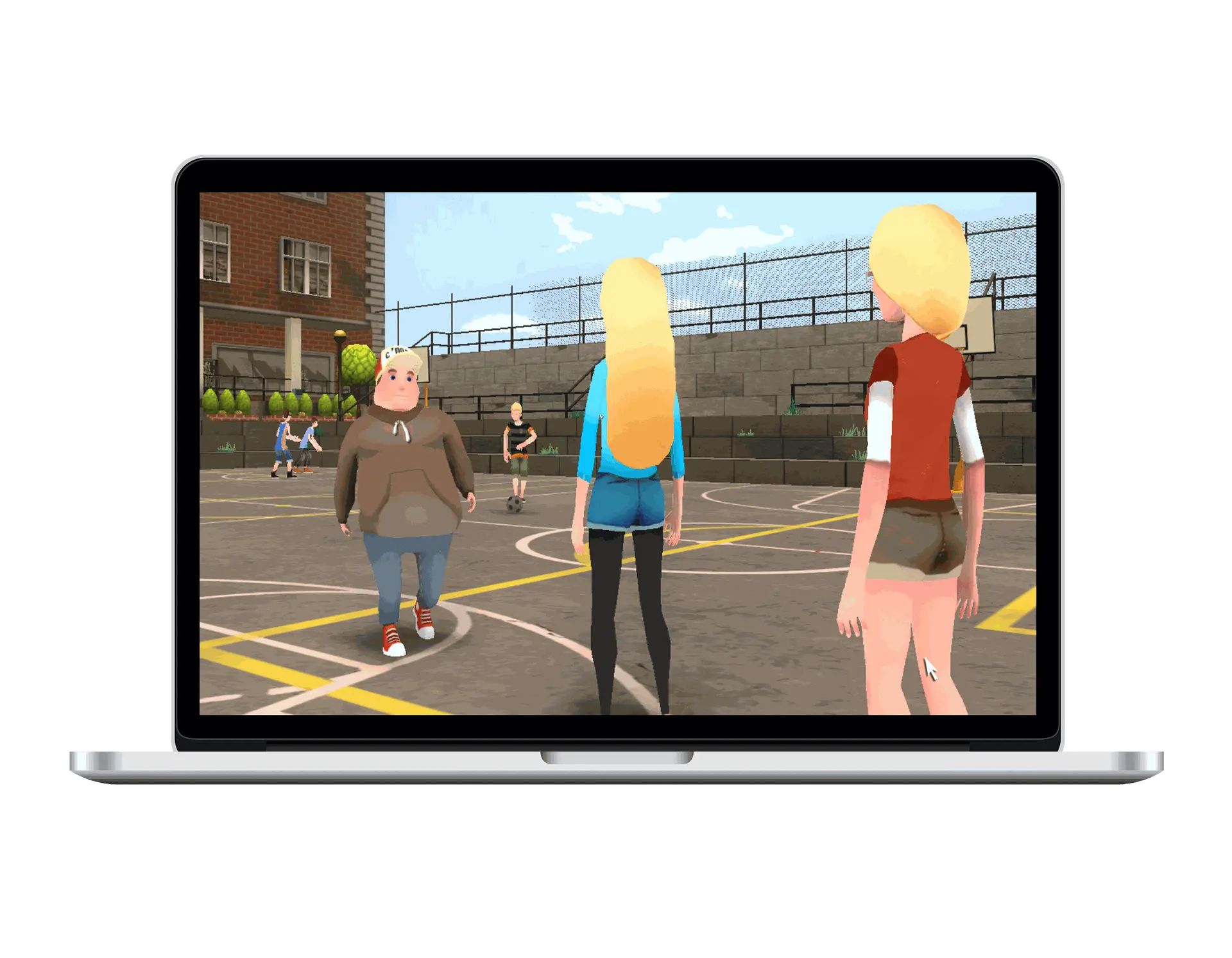
2 adapted versions
From 8 to 12 years old
From 12 to 16 years old
Duplicate
Duplicate blocks and columns to add more features.
Creation & design
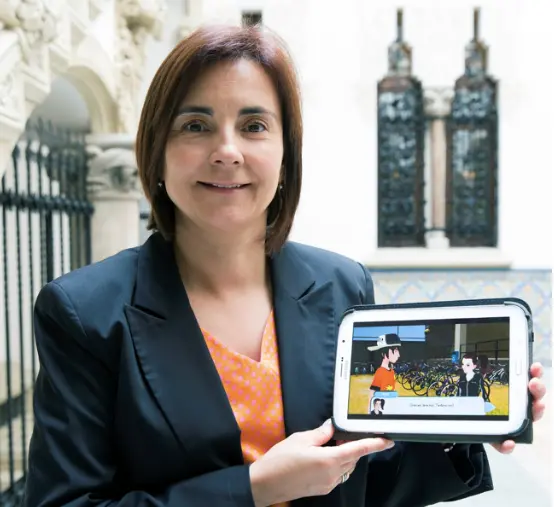
Designed by Gemma Filella, professor of Psychology and Pedagogy at the University of Lleida.
Objective
It seeks to express emotions and avoid conflicts in classrooms, both in groups and in the family environment.
Questions are raised
What emotions are you feeling right now?
25 conflicts are presented
- 15 en el centro escolar
- 10 en el ámbito familiar
Can we trust our partners?
We collaborate with reliable and high-quality partners to offer you the best products and services.
Solutions are offered
Guilt, shame, fear, jealousy,…
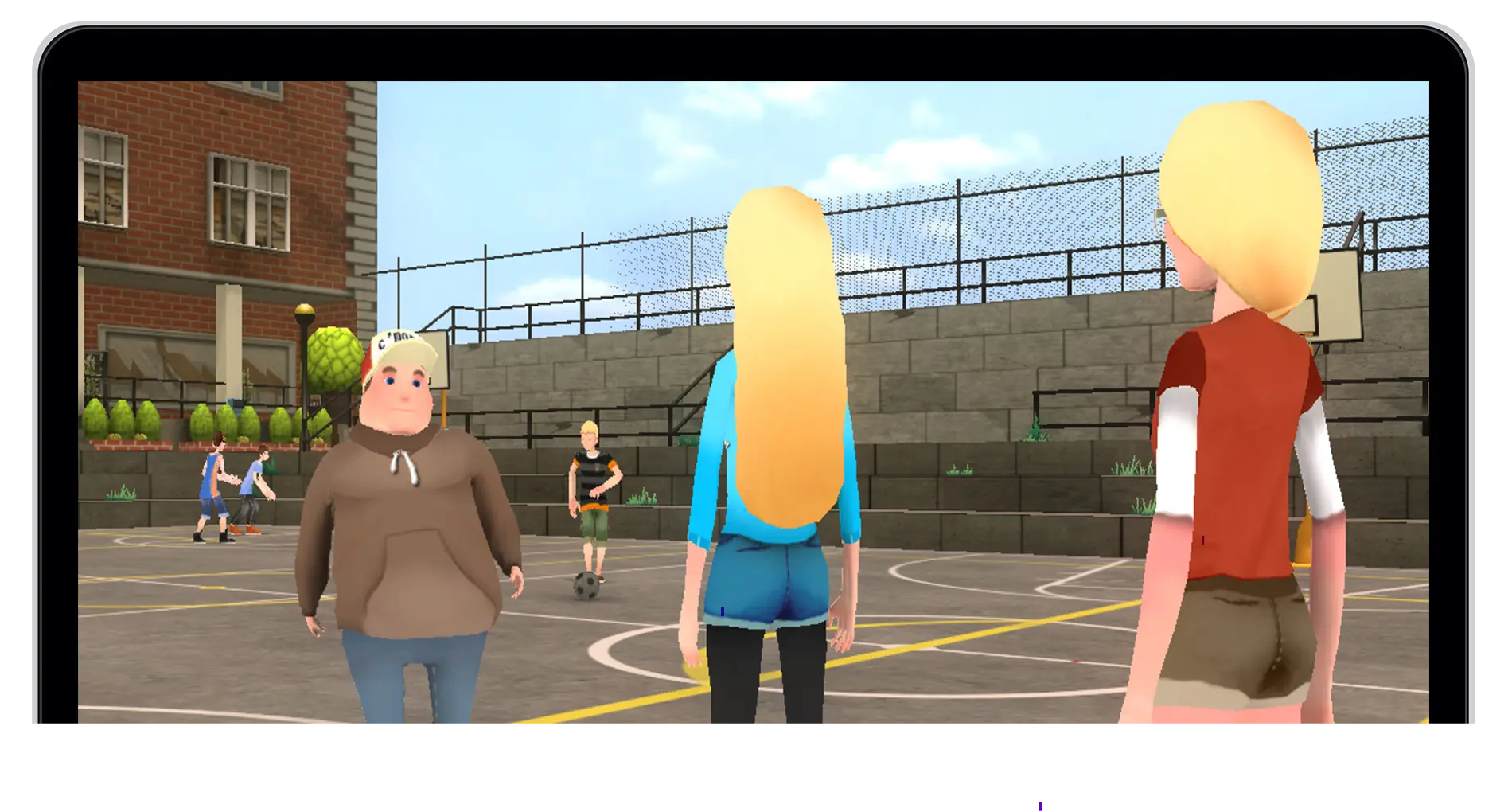
How does it work?
Happy is a very appropriate teaching resource for working on everyday situations. For example: What does a teenager feel when they take a snack from a classmate and get caught?
Game characters

Juan
Juan, almost every day, steals his classmate Sergio's snack during recess.
Núria
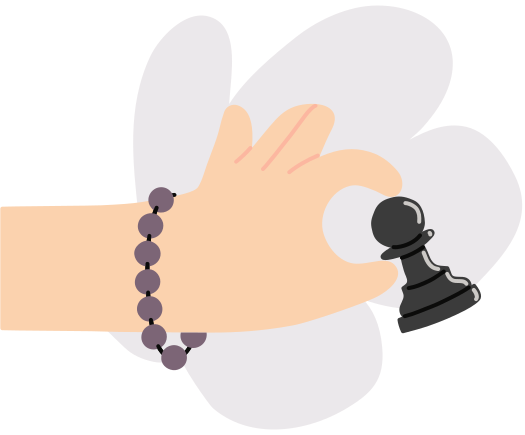
He likes to play chess with his brother at home, but he doesn't like to lose and accuses the boy of cheating.
María
Maria is 10 years old, has few friends, and makes up lies to get along with the other girls.
Novedad
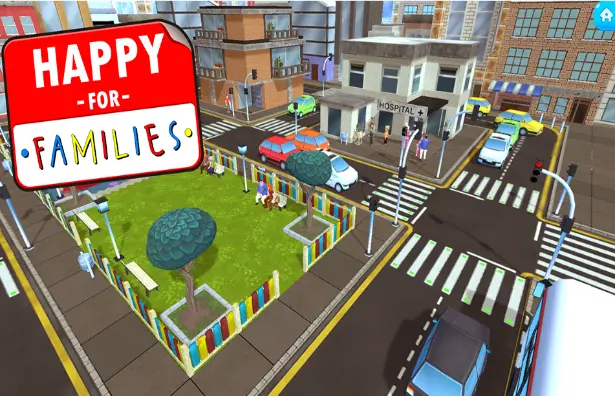
Happy for families I
(Educación Primaria)
El videojuego Happy for Families Primaria es una herramienta educativa dirigida a familias de alumnado de educación primaria para trabajar la gestión emocional y la resolución de conflictos cotidianos. A través de diferentes situaciones, ayuda a mejorar la convivencia familiar, la empatía y la comunicación asertiva.
Novedad
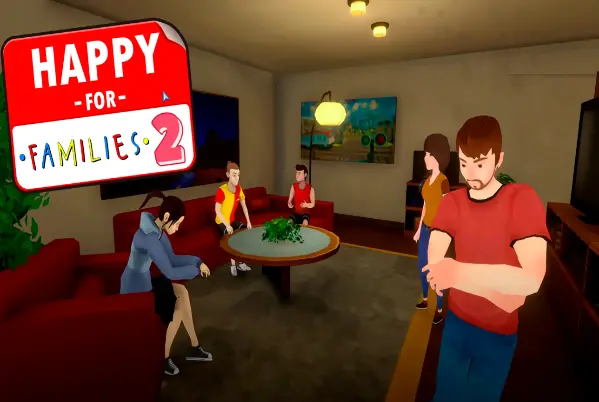
Happy for families 2 (Educación Secundaria)
El videojuego Happy for Families Secundaria es una herramienta educativa dirigida a familias de alumnado de educación secundaria para trabajar la gestión emocional y la resolución de conflictos cotidianos. A través de diferentes situaciones, ayuda a mejorar la convivencia familiar, la empatía y la comunicación asertiva.
ABOUT THE AUTHOR
More self-esteem and less violence
The Catalan educator Gemma Filella insists that emotional intelligence is “being aware of our emotions” and “acknowledging that they affect our thoughts.”
They facilitate, add, change the perspective, form judgments, and consider new viewpoints on problems.
“Emotions can and should be educated.”
And this education, he emphasizes, helps to prevent conflict situations and to enhance personal and social well-being.
“In this way, we will improve self-esteem, there will be less violence, and we will be happier.”

Organizaciones socias corporativas
Estamos en buena compañía.
La Granja - Ability Training Center
Centro de entrenamiento de habilidades y competencias emocionales con actividades Outdoor, retos y estímulos positivos para niños, jóvenes y adultos.

Fábrica de Valientes
It is an educational program that designs learning experiences based on emotion, play, and action to develop talent and socio-emotional skills.
WEB
Bumii AI
Es una plataforma que usa ciencia emocional e inteligencia artificial para medir el clima emocional y convertir las emociones en decisiones estratégicas que mejoran el bienestar en empresas y centros educativos.