I Jornada Emociutats



Emotional well-being
at the center of local policies
From the RIEEB, we want to promote awareness of the importance of mental health and emotional well-being as a key component of the overall well-being of individuals.
March 23 and 24, 2023
La Sala – Espai Francesca Bonnemaison
Barcelona
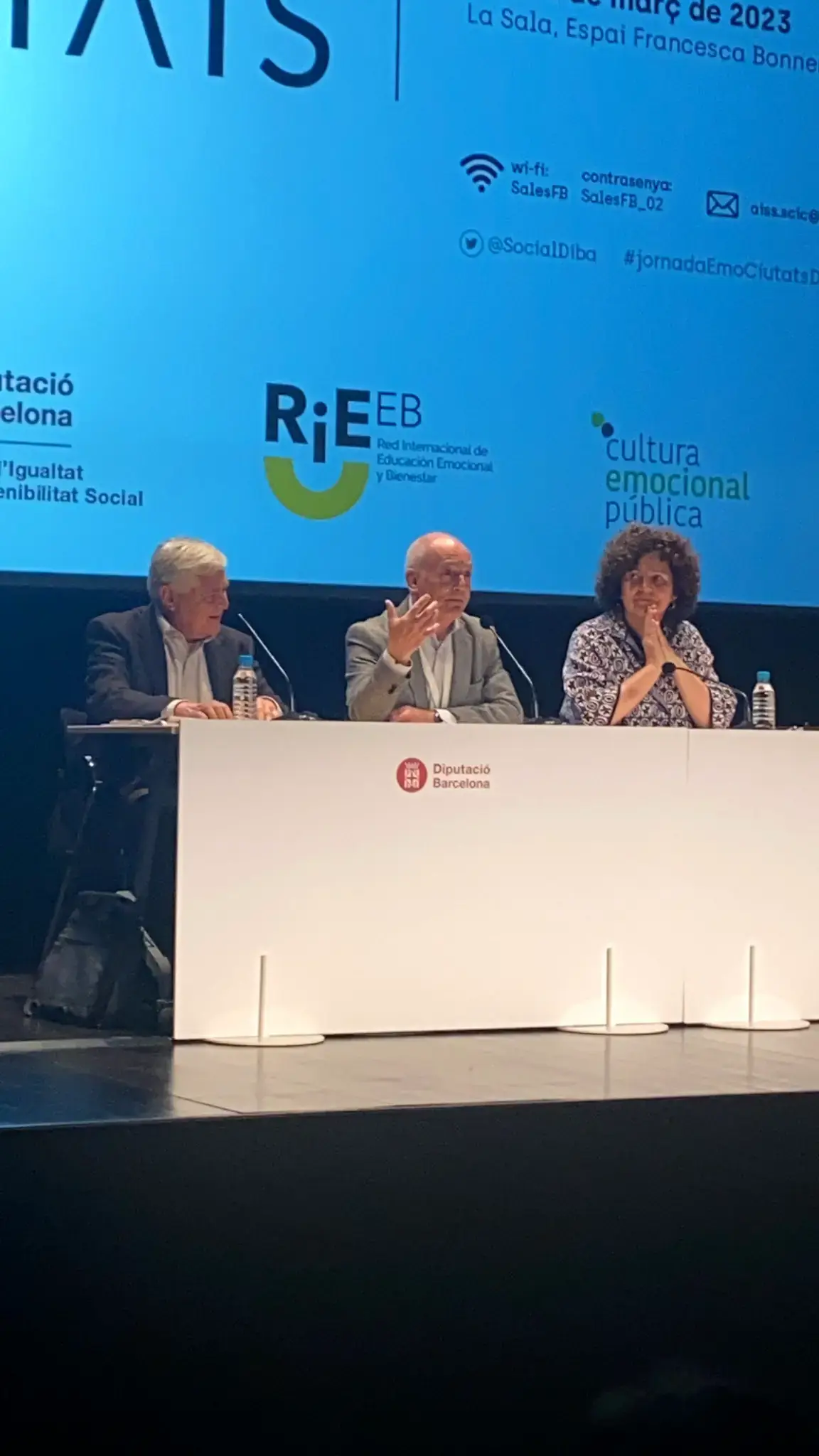
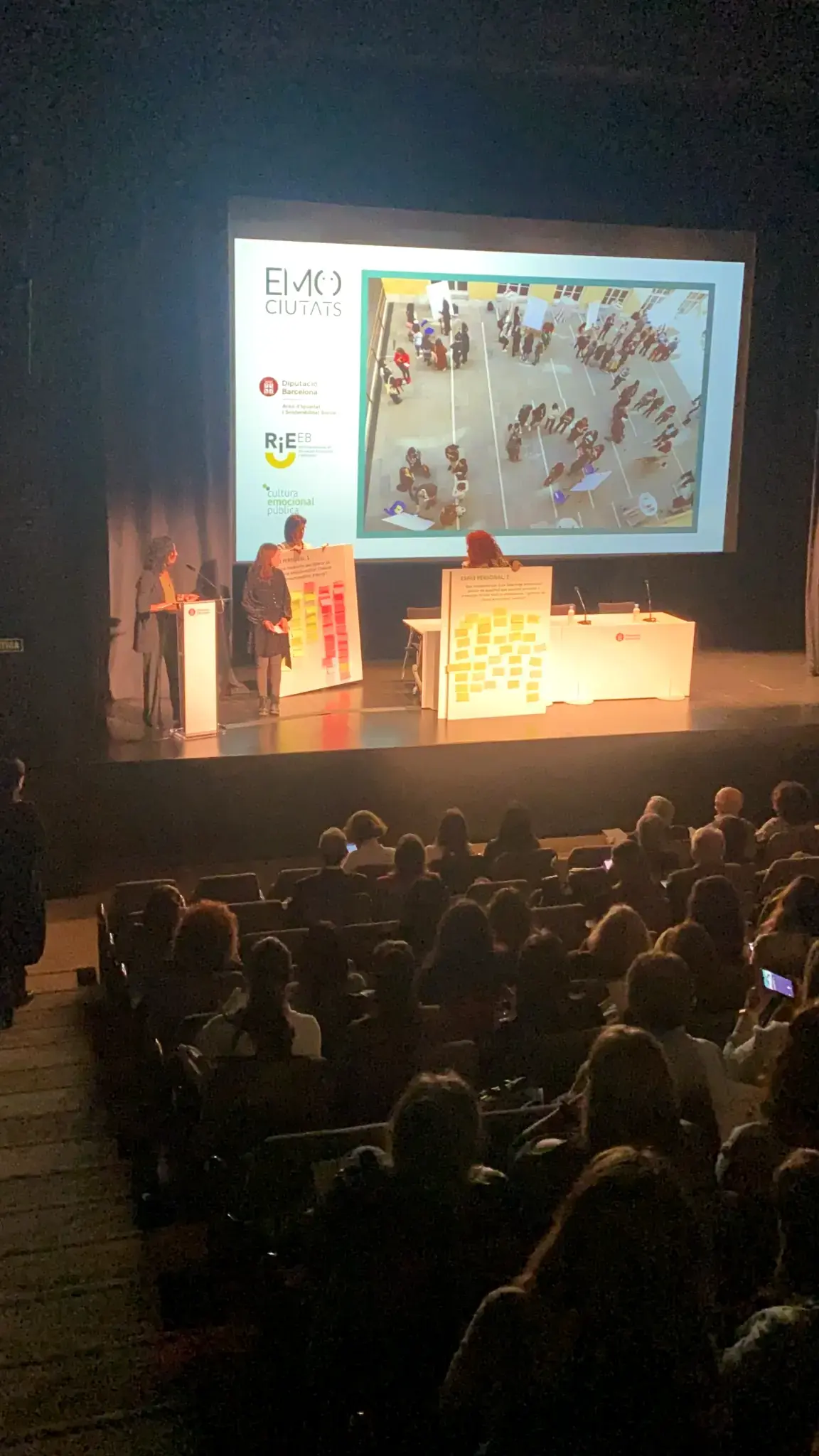
The First EMOciutats Conference marked a turning point in the incorporation of emotional well-being as a strategic axis of local public policies. Co-organized by the Diputació de Barcelona and the RIEEB, it brought together political leaders, municipal technical staff, and experts to place emotional well-being at the center of the public agenda.
The objective was clear: to move from awareness to structural action, promoting a cross-cutting, preventive, and community-based approach to emotional well-being in the municipalities.
Objectives
- Position emotional well-being as a political priority in line with the 2030 Agenda.
- Generate dialogue and debate among municipalities.
- Sharing real experiences of public policies in emotional well-being.
- Outline interdepartmental and cross-functional roadmaps.
- Base public action on scientific evidence and the development of emotional competencies.
The sessions combined keynote presentations, political-technical dialogue tables, experiential workshops, and working groups focused on concrete proposals.
This event started from a clear premise: emotional distress cannot
be addressed solely through clinical intervention, it requires prevention,
emotional education, and community action.
The focus was placed on the development of emotional competencies —awareness, regulation, autonomy, social competence, and life skills— as the foundation of civic resilience and as a structural axis of the model promoted by the RIEEB.
The program combined presentations, political dialogue, and municipal experiences. The inaugural conference by Dr. Rafael Bisquerra placed mental health within the framework of municipal action. There was a discussion on urban planning, community, and public policies as determinants of emotional well-being, and initiatives from Sant Boi, Viladecans, Granollers and Breda were presented that are already integrating this approach in their territories.
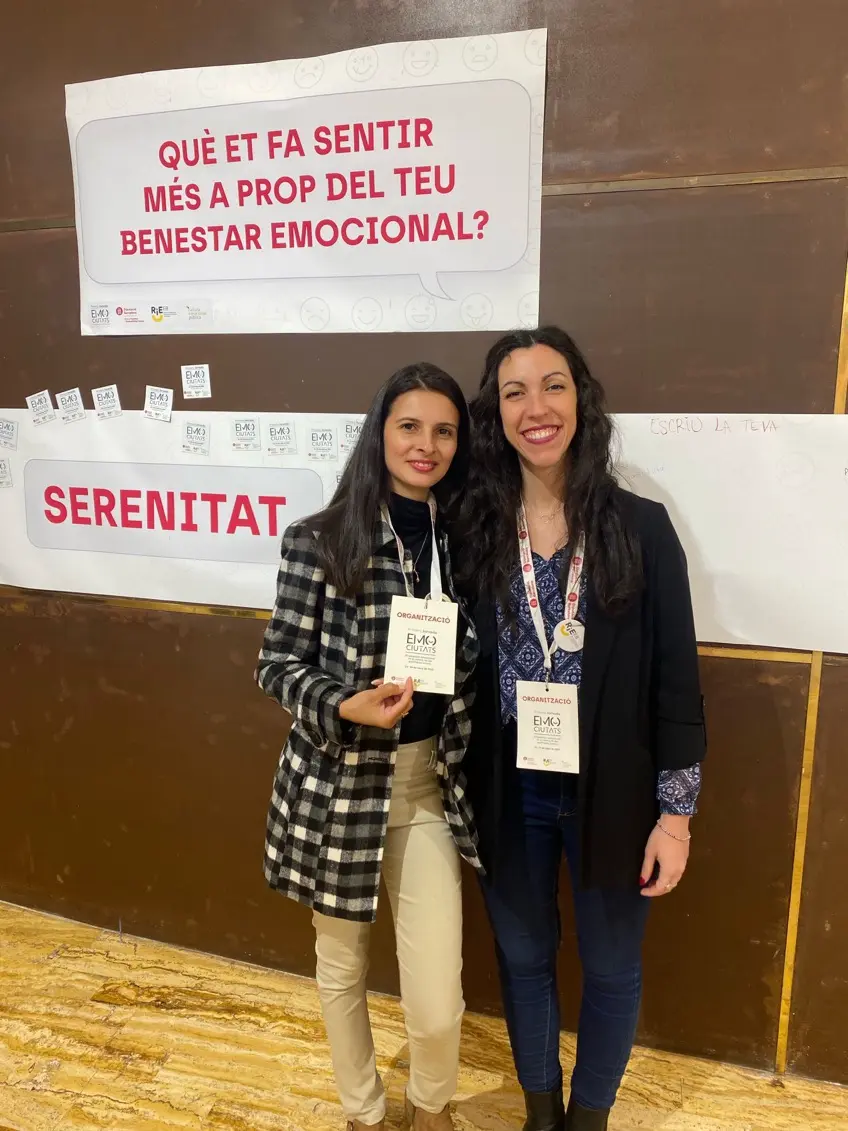
The practical workshops addressed self-leadership, emotional leadership of teams, the impact of ICT on adolescence, and the role of the community as a promoter of well-being. Additionally, the working groups translated their reflections into concrete proposals: public emotional leadership, political transversalism, community action, and inclusive urbanism as pillars to place emotional well-being at the center of municipal policies.
As strategic conclusions, it was stated that emotional well-being is a matter of public policy, universal prevention, and collective responsibility. It requires political leadership, scientific evidence, sustainability, and addressing social determinants. The First EMOciutats event was not an isolated event, but the beginning of a municipal transformation strategy based on emotional education, community, and institutional commitment.
EMOciutats es el compromiso de convertir el bienestar emocional en una política pública estructural y sostenible.
recomendamos que la lleve en su teléfono (no hace falta imprimirla) por si hubiera cualquier duda en el registro. ¡Gracias!
In agreement with the institutions




With the collaboration of